
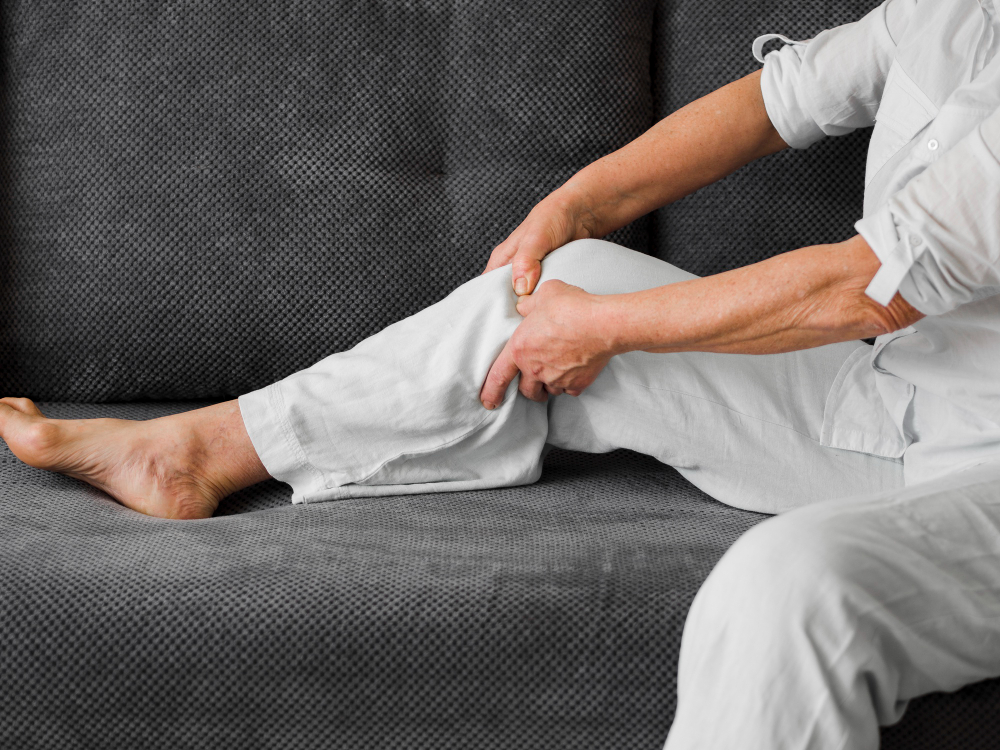
What Is Knee Pain?
Knee pain is a common problem that affects people of all ages. It can make walking, climbing stairs, or even sitting hard. Often, knee pain starts suddenly after an injury. However, it can also build up slowly over time. Many people search for knee pain relief to get back to their daily lives. Understanding the causes of knee pain is the first step toward feeling better.
Common Symptoms
Knee pain can show up in different ways. For example, you may notice:
Sometimes, these symptoms are mild. But other times, they can make daily tasks difficult. If you notice any of these signs, it is important to pay attention to your knee health.
Leading Causes
There are many causes of knee pain. Some of the most common include:
Because knee pain can have many causes, it is important to find the right treatment for knee pain. Early care can help prevent long-term problems.
Diagnosis and When to See a Doctor
Sometimes, knee pain goes away with rest. However, you should see a doctor if:
Doctors may use exams, X-rays, or MRI scans to find the cause. According to the CDC, early diagnosis helps prevent further damage. So, do not wait too long if you are worried.
Effective Treatment Options
There are many ways to find knee pain relief. Your doctor may suggest:
For some people, these steps are enough. But if pain continues, your doctor may discuss other options. Always follow your doctor’s advice for orthopedic knee care.
Lifestyle Tips for Knee Health
Simple changes can help protect your knees. For instance, you can:
These habits can keep your knees strong and flexible. Over time, they may also lower your risk of future pain.
Prevention Strategies
Preventing knee pain is possible with a few smart steps. For example:
By following these tips, you can help avoid injuries and keep your knees healthy for years to come.
When to Consider Orthopedic Surgery
Most knee pain gets better with simple treatments. However, surgery may be needed if:
Orthopedic knee care specialists can discuss options like knee replacement or repair. According to the World Health Organization, surgery is often safe and can improve quality of life. Still, it is important to try other treatments first.
Consult an orthopedic specialist for personalized knee pain solutions.